 One of the most common questions we get from educators is: “Which math curriculum should we use?”
The answer isn’t simple—because a curriculum is much more than a textbook. It’s a blend of standards, instructional strategies, pacing, and implementation. A textbook is just one piece of that puzzle.
Over the years, programs like Math Expressions, GoMath, My Math, Everyday Math, and Eureka Math/EngageNY have been widely used to provide structure and resources in classrooms. These tools are still in use today—often in older versions. But with the evolving needs of today’s learners, many of these programs may no longer reflect the latest research on how students learn math best.
If your school is using one of these older versions, it might be time to ask: Is this still meeting the needs of today’s classrooms?
Curriculum in the Wild
Lately, we’re seeing greater success in classrooms using newer, more accessible programs that include:
-
- Strong balance of conceptual understanding and fluency, embedded math talk, and real-world connections.
- Standards-based curriculum with built-in diagnostics, differentiation tools, and consistent lesson structure.
- A hands-on, visual program that excels at building number sense, especially in the early grades.
At SIS4Teachers, we believe that students thrive when instruction is visual, engaging, and grounded in the 8 Mathematical Practices.
With so many math programs on the market, it can be tough to know which one will truly meet your goals. And the stakes are high—according to EdReports.org, only 48% of math materials currently used in classrooms are actually aligned to grade-level standards. That means more than half of students may be working with resources that don’t fully support the learning outcomes we expect.
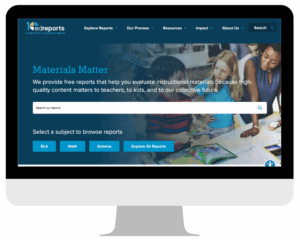
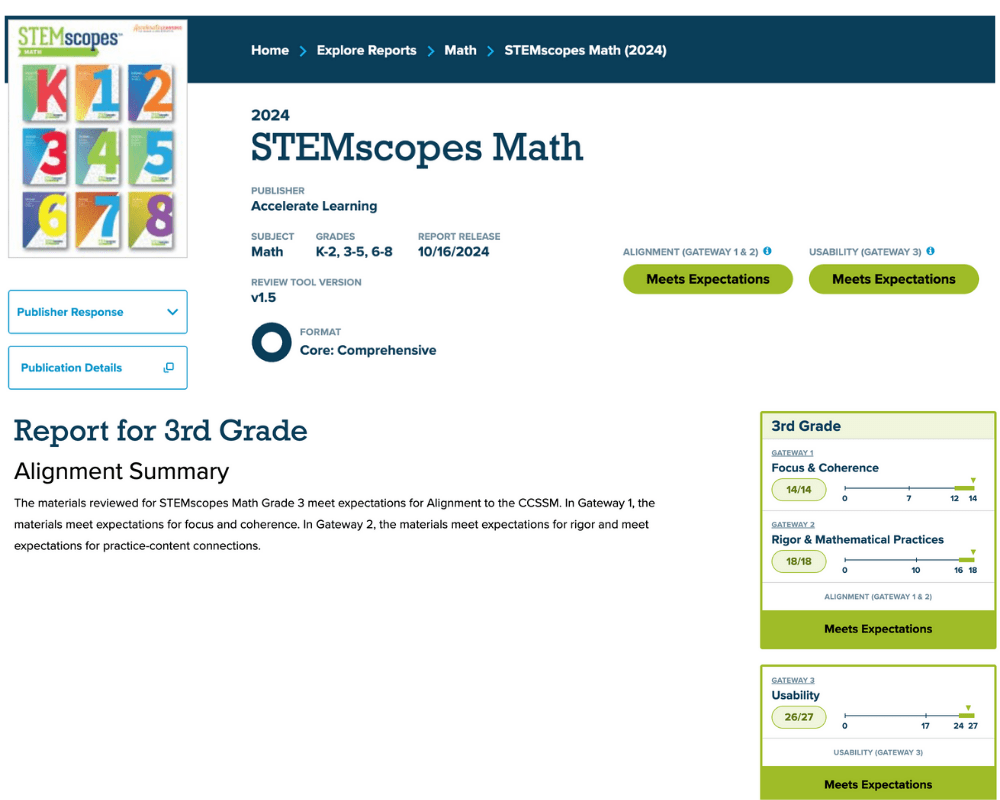
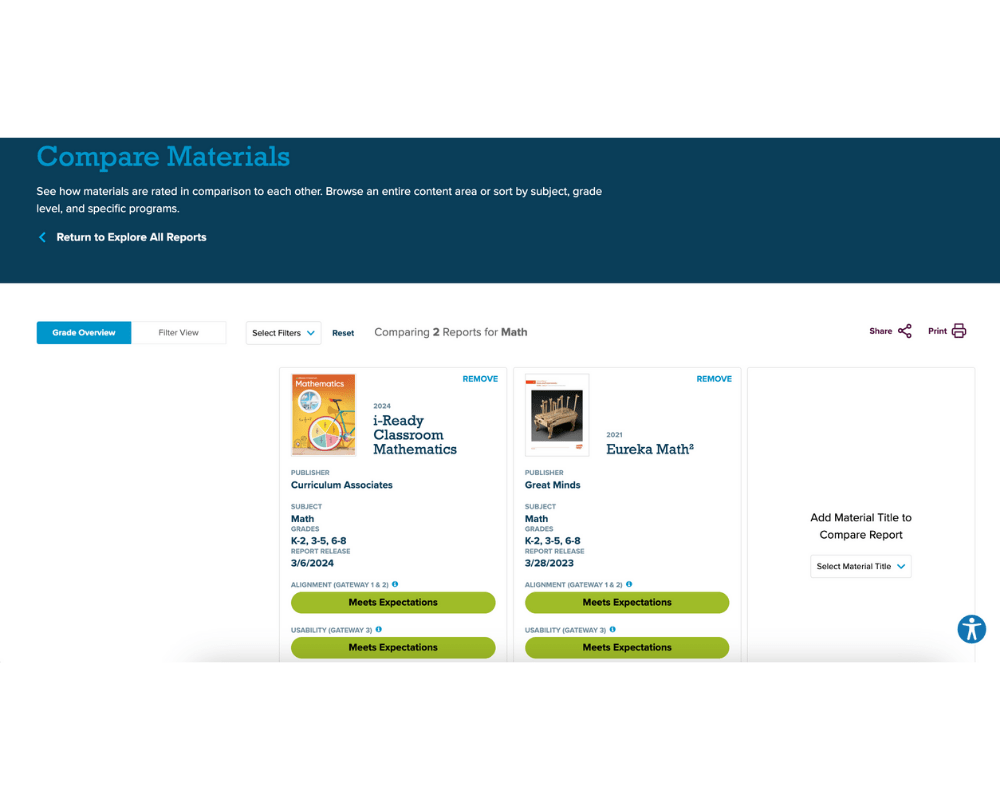
That’s where EdReports.org comes in. This free, trusted website offers independent reviews of math curricula used across the country. Each review examines how well a program aligns with standards, how clearly it teaches concepts, and how easy it is to use in real classrooms. You’ll find quick summaries to compare programs at a glance, and the Compare Materials feature makes it easy to line up multiple programs side-by-side to see how they stack up across key categories. For the full picture, be sure to click on “View Full Report,” where you’ll find detailed insights into grade-level structure, lesson quality, and support for student learning—so you can make a confident, evidence-based decision.
5 Questions to Ask Before Choosing a Math Curriculum
If you’re reviewing your current curriculum—or thinking about a change—here are some questions to ask that will help you decide if your current program is truly meeting the needs of today’s students.
1. Does it support conceptual understanding, not just procedures? Students should develop number sense and understand why math works—not just memorize steps.
2. Are students actively engaged in doing math through conversation, collaboration, and modeling? Look for programs that encourage math talk, peer interaction, and hands-on exploration.
3. Is it aligned with today’s standards and built around the 8 Mathematical Practices? Strong curricula are intentionally designed to meet grade-level expectations and promote habits of thinking like reasoning, perseverance, and modeling.
4. Does it provide flexibility for intervention and enrichment? The best programs offer built-in supports to meet a wide range of learners—without needing to cobble together outside resources.
5. Is it outdated, overly teacher-dependent, or missing modern instructional tools? If it relies heavily on lectures or lacks digital tools and student-friendly visuals, it may be time to reconsider.
Curriculum Isn’t Static—It Should Evolve
Too often, we walk into schools where the curriculum has become a patchwork of outdated materials, teacher-created supplements, and disconnected strategies. Over time, this lack of cohesion can lead to gaps in learning, inconsistent expectations across grade levels, and increased pressure on teachers to “fill in the blanks.”
At Strategic Intervention Solutions, we partner with schools and districts to bring clarity, structure, and purpose back to math instruction. Our team helps you:
-
-
Align curriculum to current standards and develop clear, realistic pacing guides.
-
Integrate the 8 Mathematical Practices intentionally across every grade level—not as an add-on, but as the foundation.
-
Build meaningful assessment systems that guide both intervention and enrichment—so every student is seen.
-
Coach and support teachers with practical tools and modeling that bring curriculum to life in the classroom.
-
Whether you’re using Bridges, Reveal, i-Ready, or another program, the key to success isn’t just what you adopt—it’s how you implement it. Curriculum isn’t about checking boxes or surviving the school year. It’s about helping students build confidence, make sense of math, and develop skills that will last a lifetime.