Did you know that a child’s ability to skip is correlated with his or her math skills? Did you know that static/dynamic balance has a lot to do with readiness for reading? Motor development, both fine and gross, does matter a great deal as we take a whole child approach to education.
 As we gear up for the 17-18 school year, it’s especially important to plan for assessing the motor development of our students in Kindergarten through 2nd grade. Hand/eye coordination, visual integration, cutting skills, pencil grip, and hand strength are tell-tale signs of academic readiness, and so beginning the year with an accurate assessment of the child’s gross and fine motor skills can help inform instruction throughout the year. Enter: Finger Funatics and Motor Skills for Academic Success. Both of these tools start with great screeners to help teachers assess students quickly and accurately, and help teachers see relationships between common areas of motor deficiency and ways to improve those deficiencies.
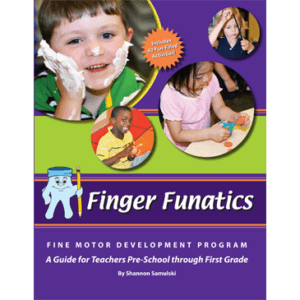 For fine motor skills, check out the Finger Funatics book and parent companion. It includes a quick screener and 50+ fine motor activities using items readily available at home or school. This is a great resource for Kindergarten Round-ups or family night at your school! (This book is also available as a digital download.) Check out a few examples of the activities from a Finger Funatics Night at a Michigan school.
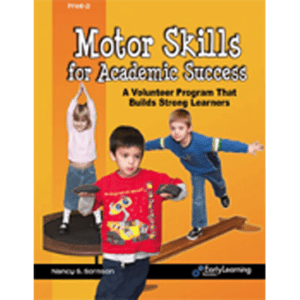 Gross motor skills can be easily assessed in five minutes by parents trained as Motor Moms and Dads using the Motor Skills for Academic Success program. The program offers activities to help improve basic skills in just a few five-minutes sessions per week without any special equipment.
Check out the free motor screeners in this previous post.